The first call frequently comes late at night. A mommy, a partner, or a friend is on the line, voice tight with worry, asking what it will take to obtain a person out of prison. On the various other end rests a bail bondsman or defense lawyer arranging with what occurred, where the individual is held, and how rapid launch is feasible. When mental health belongs to the photo, everything actions slower and gets much more challenging. The legal system was not constructed to detect or deal with disease, yet it establishes the phase for individuals in crisis to succeed or fall short. Bond beings in the middle of that tension, a bridge in between custodianship and the neighborhood, a decision point with genuine effects for safety and security, healing, and justice.
This is where experience matters. I have seen bond choices maintain a person secure, linked into treatment, and able to maintain a job. I have additionally seen a hurried launch collapse since nobody resolved medication connection, supervision needs, or court-date anxiousness. Bond is not just a buck number. It is a strategy, and when psychological health and wellness is included, the plan requires to be deliberate.
The lawful framework: what bail is suggested to do
Bail exists to stabilize 2 goals. The initial is to ensure the person returns to court. The 2nd is to protect public security. Many jurisdictions allow courts to think about a mix of factors: the seriousness of the fee, criminal history, threat of absence, ties to the neighborhood, and any type of signs that launch might hurt the person or others. Some states utilize legal threat elements or tools to guide choices. A couple of bar financial Bail Bonds for sure offenses, favoring nonfinancial problems like supervision, time limits, or therapy requirements.
Mental disease does not instantly change these lawful concepts, yet it reshapes how they play out. Someone with neglected psychosis may miss court since they are messed up, not because they are flight dangers. Someone living with clinical depression may have a hard time to maintain call with pretrial services without assistance. Courts vary extensively in just how they react. One area might have a psychological health court with ingrained clinicians, an additional may only have a standard docket and a crowded jail. Understanding the regional landscape is important. It determines what choices exist between prison and a covering release.
What psychological health adjustments in a bond decision
At its core, psychological wellness influences 3 components that courts and professionals respect: capacity to adhere to problems, stability in the area, and safety and security. Each has a practical dimension that turns up in the very first week after release.
- Capacity to comply with conditions: A person could consent to sign in weekly, take medicine, and prevent particular places. If auditory hallucinations increase or a manic episode flares, those problems can end up being impractical. Conformity is not just self-discipline, it is a feature of symptom control and support. Stability in the community: Where will the individual stay? Are they linked to a medical professional? Do they have a phone that functions and a calendar reminder for court? The tiny logistics lug big weight. I have actually watched a missed dose of drug and a shed phone spiral into a bench warrant that might have been prevented. Safety: Judges seek trustworthy strategies that reduced risk. For some individuals, that implies quick access to a crisis facility, a bed in a treatment facility, or a dedication from a family member to keep medicines safeguard and come with the person to court. Without these, also a minor case can really feel risky to the bench.
None of this argues for maintaining individuals in jail to compel stability. Jail interrupts therapy, reveals individuals to injury, and frequently aggravates signs. But it does imply that the bond conversation need to be much less regarding money and even more regarding a practical release plan with psychological health and wellness at the center.
An evening in holding: where plans are made or lost
Picture a 34-year-old male detained for trespassing and disorderly conduct after yelling in a bus terminal. He is disheveled, distressed, and maintains asking whether the policemans can listen to the voices also. The booking registered nurse notes a possible psych history. He is positioned on a safety watch. By early morning, his arraignment is established for the afternoon. A public defender has 10 minutes to speak to him before the hearing.
What takes place in those 10 minutes issues. If the defender finds out the guy has a sibling close by that can choose him up, that he was lately released from a hospital with a prescription, which he missed his last psychiatric visit, the argument for release with particular conditions becomes stronger. If the protector can reach the sister and a center, the judge listens to a real plan: secure address, follow-up visit, and transport prepared. If everyone gets here in court empty-handed, the hearing ends up being guesswork. The prosecutor might highlight public disturbance and prior failures to appear. The court may set a cash money bond the guy can not pay for, or enforce conditions that sound great theoretically but are impossible by Friday.
The lesson is not exotic. Launch plans are built on information. When psychological health and wellness is involved, that details must include carriers, drugs, and support individuals, not just work and housing.
The role of Bail Bonds in mental wellness cases
A bail bondsman's work is to safeguard launch by uploading a bond that guarantees court appearance. The cost is typically a percent of the bond amount and is nonrefundable. In the majority of states, a bondsman can set problems for their customer since they are monetarily on the hook if the customer misses court. In mental health and wellness cases, that utilize can be used properly to sustain compliance.
Experienced bondsmen currently do more than paperwork. They validate addresses, timetable check-ins, and get in touch with customers prior to court. When psychological health and wellness gets on the table, the best ones adjust their playbook. They request the telephone number of a family member that recognizes the diagnosis. They set suggestions customized to exactly how the customer handles time and cognition. They collaborate adventures or satisfy the client at court. I have seen bail bondsmans carry laminated court calendars for clients who shed papers easily, and I have actually seen them call instance managers directly when a customer starts to decompensate.
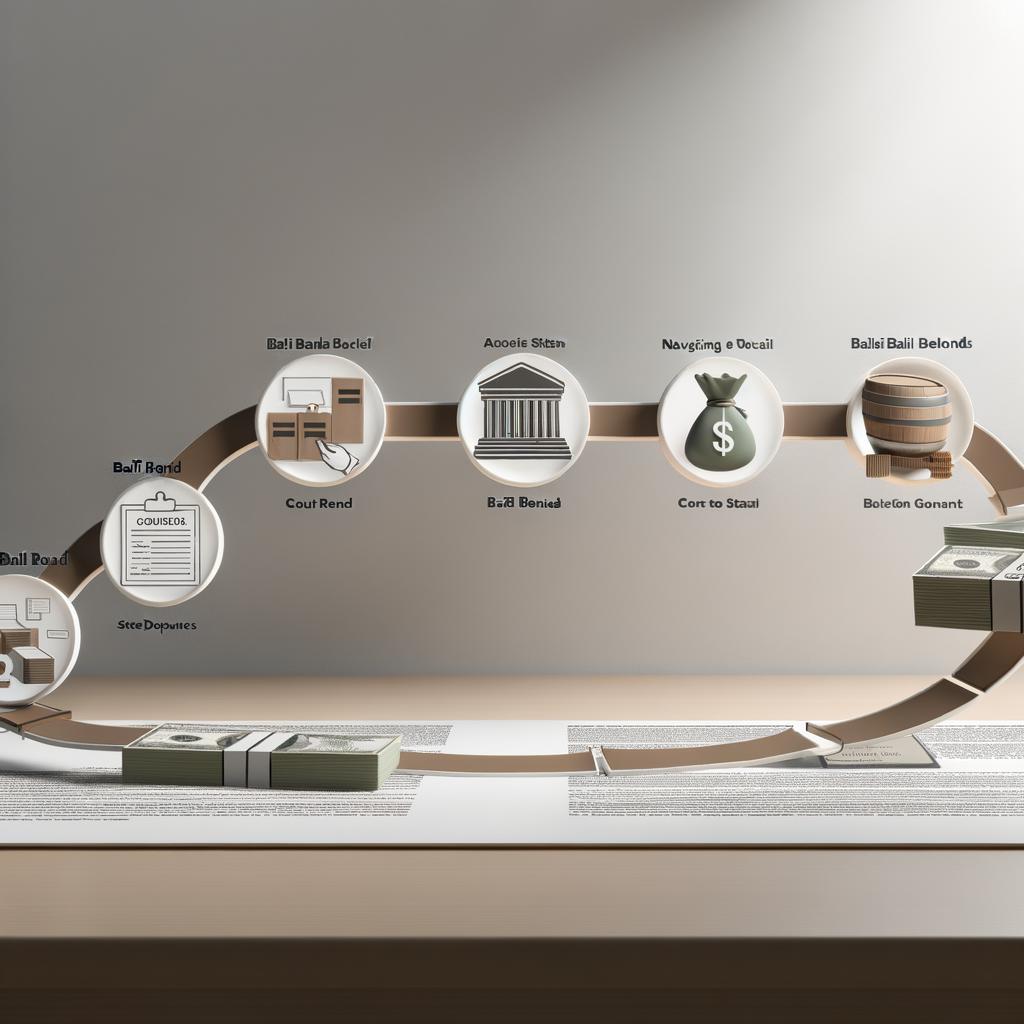
There are limitations. Bondsmen are not clinicians and ought to not attempt to be. They can not compel therapy, and they should not pretend a health check coincides thing as a therapy session. But they can build a partnership where missed telephone calls trigger outreach, not instant abandonment. They can make use of the danger of a bond retraction meticulously, waiting for real threat rather than a solitary late check-in caused by side effects.
Conditions that work, problems that backfire
Courts typically craft launch problems as a compromise: no cash bond, yet guidance plus treatment. The success of those problems rests on whether they are specific, practical, and supported by infrastructure.
Treatment requireds are common. "Attend psychological health and wellness therapy as guided" sounds great, yet it is obscure. If there is no visit date, center address, and get in touch with name, it ends up being a catch. The person goes out the door, tries to call a center that does not pick up, then misses the following hearing due to the fact that they are dissuaded. A much better problem ties launch to an arranged intake with a well-known company, ideally within 3 business days. If the court system deals with local clinics, these intakes can be pre-booked and printed on a type the person can carry.
Medication adherence is more difficult. Juries sometimes get individuals to take proposed medicine. Enforcement is tough, and ethical concerns occur when the individual challenges the demand or experiences extreme adverse effects. The workaround is to require interaction with a prescriber, allowing the clinician to establish the program while the court keeps track of presence. When an individual shows they are attempting, many courts react with perseverance as opposed to punishment.
Curfews and geographical restrictions can help if connected to actual danger. They can also come to be gnat catches, capturing harmless violations and transforming them into warrants. If an individual listens to voices and strolls during the night to relax, a rigorous time limit might be counterproductive. If an individual relapses in a specific area, a customized limit can reduce harm. The difference is subtlety and communication in between lawyers, clinicians, and the court.
Medication continuity: the boring information that makes a decision outcomes
Ask anybody who has actually accompanied a client from jail to the front door of a clinic. The high cliff edge is medicine. Jails may dispense particular psychiatric medications, often on the most affordable formulary. Release usually comes without greater than a day or 2 of supply, or with a paper prescription the individual can not fill prior to a weekend break. A missed dosage, specifically with antipsychotics or state of mind stabilizers, can unwind hard-won security in 48 hours.

There are useful fixes. Organize a medicine bridge, a temporary supply offered at launch or with a rapid-fill drug store. Coordinate with a center that keeps sample packs for emergency situations. When possible, sync launch time to organization hours so the person can check out a drug store that same day. Defense counsel can elevate this in court, prompting a judge to request a cozy handoff. Bondsmen can bring the facility address and drive the individual directly there, fee or no charge, because it shields the bond and the customer. Families can call the jail the early morning of release to request discharge planning notes and a listing of existing meds, after that hand that info to the prescriber.
This interest to the mundane takes pressure off everybody. It decreases no-shows, minimize preventable police contacts, and assists people present calm and oriented at their next hearing.
When a hospital stay converges with bail
Sometimes stablizing calls for inpatient care. An offender could be as well disorganized to take part meaningfully in a hearing, or as well dangerous to release. Expertise examinations and civil commitment laws enter play. In these instances, the timeline stretches and bail decisions pause or adapt.
Defense advise must flag expertise early if the client can not recognize the procedures. Competency reconstruction may occur in a hospital or a committed system. While that unravels, bond problems can be customized. Some courts will allow a bond to be published with the understanding that the person relocates directly to a health center on discharge from prison. Others will maintain the individual in custody till a bed opens, which can take days or weeks. From a humane and fiscal viewpoint, direct transfers are usually much better. They lower prison crowding and decrease deterioration.
For families and bail bondsmans, the secret is control. Obtain the health center admission letter, maintain it available for court and for the bail bondsman's file, and make certain everybody understands the timeline. If the individual leaves the healthcare facility early, inform the bond representative and advice promptly to change problems or set a check-in.
Risk, rights, and stigma
Mental wellness usually brings in 2 unhelpful reactions. One is paternalism: the reflex to hold a person "for their very own excellent," even when safe release is feasible with minimal support. The other is avoidance: the desire to pretend the psychological wellness piece is unimportant, appointing common problems and hoping for the very best. Both instincts misread. The person has rights. The neighborhood has safety interests. The system should balance those with facts, not fear.
Stigma sneaks in subtly. A prosecutor may oppose release just because a cops record keeps in mind "strange actions," even on a nonviolent fee. A judge could ask for a high cash money bond on a theft instance since the defendant "seems unpredictable," when a cozy handoff to a center would decrease take the chance of greater than money ever could. Defense attorney have to demand customized evaluations. Bondsmen needs to stand up to blanket policies like declining any kind of customer with a psychiatric diagnosis. I have actually collaborated with clients who cruised through pretrial with schizophrenia well regulated, and others that had no diagnosis however repetitively missed out on court for avoidable reasons. The label is not the danger. The practical strategy is.
Practical steps that boost outcomes
Here is a brief, field-tested list that has saved even more cases than any eloquent disagreement ever before did:
- Before arraignment, identify a risk-free address and an assistance person ready to respond to the phone. Secure a follow-up appointment with a clinic or prescriber within three organization days, and compose it down clearly. Arrange a medication bridge for a minimum of 7 days, consisting of confirmation with an obtainable pharmacy. Set up court pointers making use of several networks, such as SMS, a paper calendar, and an assistance individual's phone. Confirm transportation for the first 2 obligations after release: the clinic consumption and the next court date.
Each product is basic. Together they transform a breakable release into a steady one. Every person in the chain can contribute. Public protectors can gather get in touches with. District attorneys can condition their authorization on proof of the plan as opposed to promoting cash money. Juries can ask targeted inquiries to see to it the strategy is genuine. Bondsmen can become the adhesive that keeps reminders moving and logistics smooth.
The business economics of bail, psychological health, and public cost
Bail conversations typically stall in abstract debates regarding reform. On the ground, the cost calculus is concrete. An evening in jail can cost a region over a hundred dollars in direct costs, even more if the individual requires continuous observation or medicine. A psychological medical facility bed is much more expensive, but it treats the trouble. An outpatient facility browse through can cost much less than a day in jail, and it pays returns in stability.
For accuseds and their family members, the price of a bond costs should be determined against task loss, kid guardianship difficulties, and medical wear and tear in custody. If an individual can be released on recognizance with a solid plan, everyone conserves cash and stress. If a secured bond is necessary, a bail bondsman who comprehends mental wellness can make that premium better by including functional support. The worst outcome is a high cash bond without strategy. The individual beings in jail, the family members shuffles to raise money, and by the time launch is feasible, the job is gone and the symptoms are worse.
A couple of territories currently enable part of a bond premium to be reimbursed if the instance fixes promptly and the individual appeared whatsoever hearings. Others bar refunds entirely. Recognizing these regional policies assists family members make a decision. It likewise urges bondsmen to compete on solution, not just rate, when mental health requirements are significant.
Coordinating throughout systems: that does what
No solitary actor can lug a psychological health-informed bail plan alone. It is valuable to believe in roles.
Defense counsel must establish the story that connects the person's background, present signs and symptoms, and neighborhood sustains to the least restrictive conditions that still attend to danger. They require documentation: letters from suppliers, medicine listings, and a brief summary from a member of the family willing to assist. They should additionally prepare to educate the court regarding what is practical, for instance explaining that treatment consumption ports in the county are presently 2 weeks out unless an urgent referral is made.
Prosecutors can play a positive duty by concentrating problems on security and appearance as opposed to defaulting to money. They can agree to staggered check-in schedules that anticipate very early instability and afterwards taper down. They can lobby inside for diversion options where ideal, which typically resolve cases without test while preserving accountability.
Judges set the tone. When a court requests for a particular plan and follows up on whether it occurred, bench responds. When a court refrains from purchasing covering drug conformity and instead mandates involvement with treatment, clinicians and defendants are most likely to get involved truthfully. Courts can likewise buy small operational modifications that make a big difference, such as enabling same-day organizing calls from the court to a center desk.
Bondsmen are the connective tissue between the court order and the customer's life. Good practice consists of verifying addresses, sending out reminders, and responding quickly https://alexisfqvg547.timeforchangecounselling.com/just-how-collateral-is-returned-after-a-bond-bond-is-pardoned to very early indications of trouble. If a customer misses a check-in by an hour, a phone call to the assistance person often fixes it. If the client appears to be unraveling, a phone call to counsel makes more feeling than declare a warrant. The decision to surrender a customer needs to be uncommon and booked for real threat or repeated evasion.
Clinicians and case supervisors can make the justice process less weak. A short letter confirming medical diagnosis, current medications, and next visit day lugs outsized weight. They can assign a point of get in touch with for justice-related control so that telephone calls do not die in a general voicemail box. When capacity is stressed, a basic declaration of what is feasible and when is much better than silence.
Families and pals typically hold the trick. They know triggers, regimens, and indications of regression. Courts must pay attention when a sis states, "He will certainly appear if he has a trip and a person waits with him in the courtroom," and bail bondsmans should include that right into their plan.
Edge situations and judgment calls
No overview covers every scenario. A couple of stick out as frequent dilemmas.
- Co-occurring compound usage: Many people cope with both mental disease and compound utilize problem. A no-alcohol or no-drugs problem is common, but it should be paired with therapy gain access to, not simply testing. Without services, screening produces a ladder of infractions. With services, it comes to be feedback for recovery. Homelessness: Needing a fixed address from somebody living on the street is a recipe for failing. Courts need to approve shelters or sanctioned encampments, and set launch with outreach interaction. Bondsmen can meet clients where they actually are, not where a type says they should be. Language and literacy barriers: Composed problems do not aid if they can not be read. Usage simple language, interpreters, and aesthetic tips. A card with dates and a map to court beats a thick page of lawful text. Rural locations: Centers may be an hour away and public transport nonexistent. Remote check-ins, telehealth consumptions, and sychronisation with health care become more important. Judges need to factor traveling realities into the condition set. Domestic physical violence cases: Safety and security preparing for the claimed victim must drive conditions. Mental health demands of the defendant do not get rid of threat. When contact limitations are crucial, make them clear and enforceable, and pair them with treatment setups that are prepared to handle court orders.
These circumstances require judgment rooted in lived method. The objective remains the exact same: decrease risk by building ability, not by piling conditions that will certainly crumble.
Signs a bail strategy is stopping working, and just how to course-correct
Failure rarely shows up without alerting. The early indications recognize. Telephone calls go unanswered. An assistance person says the customer is sleeping throughout the day or pacing during the night. Check-ins are missed by a couple of hours, after that a day. The facility consumption is postponed twice. These signals need action before the next hearing.
Two moves make the distinction. First, shorten the loophole. Rise contact frequency for a week, add a midweek reminder, or timetable a quick video clip check-in if in person is hard. Second, repair the useful grabs. If transport is the concern, align an experience. If medication accessibility is the issue, call the prescriber and request a stopgap script. Courts are much more forgiving when they see attempts to maintain as opposed to a string of quiet noncompliance.
If threat escalates sharply, such as reliable threats or full disengagement, after that defense counsel need to take into consideration asking the court to customize conditions. It is better to adjust curfew or add guidance than to watch a warrant issue. Bondsmen must inform advise early when they are thinking about abandonment, and share details, not just a verdict, to ensure that the team can intervene.
What success looks like
Success is not attractive. It looks like a person stepping into a facility on a Monday because a person handed them a paper with the correct time and a bus route. It resembles a quiet court room where a defendant responses when called, due to the fact that their phone buzzed that early morning and a sibling stated she would certainly meet them outside. It appears like a bondsman who invests five minutes situating a case manager instead of 5 hours filing a surrender. It appears like a court that asks, "Do you have your next consultation?" and waits to hear the date.
The case fixes in weeks or months, not years. The person keeps real estate or discovers it. The costs may be disregarded after compliance, or they might plead to a reduced matter. Most notably, there is no situation birthed of disregard. The system will certainly never ever be excellent, but these are possible wins.
Final ideas and a useful summary
The justice system does not heal mental disease, however it can stay clear of making it even worse. Bond is among minority early moments where a worked with, humane option pays off quickly. Money alone can not provide that result. Strategies do. When Bail Bonds get in the photo, the very best result comes from bail bondsmans, lawyers, judges, clinicians, and households dealing with psychological health and wellness as a core part of risk management as opposed to a side note.
A portable summary for experts pressed for time:
- Think in logistics, not labels. Safe address, appointment day, medication bridge, tips, transportation. Write conditions that match reality. Avoid obscure therapy orders and breakable curfews without support. Use the bondsman as a companion. Share calls, coordinate suggestions, and book surrender for real risk. Watch early signals and change quickly. Reduce contact loopholes and resolve functional grabs before they become violations. Push back against preconception with truths. Connect every ask to a concrete danger reduction, not a stereotype.
Handled with care, bail can be a supporting lever for individuals in crisis. Done carelessly, it becomes a revolving door that increases damage. The difference is not a secret. It is persistance, coordination, and respect for the human beings at the facility of these cases.
ABBA Bail Bonds 900 Avila St STE 101 Los Angeles, CA 90012 (213) 296-0901 https://abbabailbonds.com